Apple's 25-Year-Old iPod Remained the Pocket Music Standard Until Smartphones Arrived
Two decades and a half ago, the first iPod redefined portable audio by fitting a thousand songs into a card-sized device, a feat that held the market until the iPhone emerged.
By Priya Sharma ·
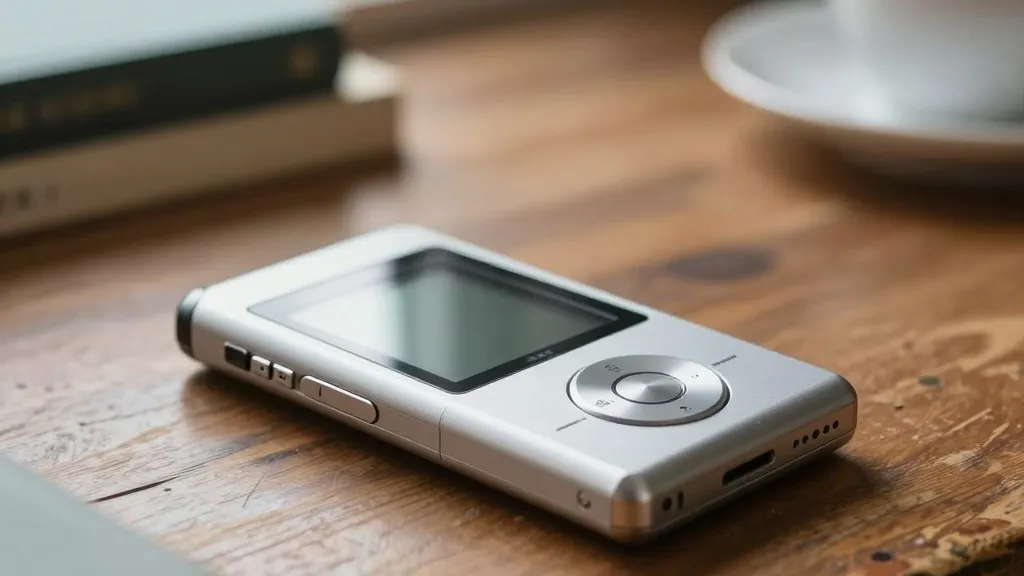
For music lovers in New England and across the country, the landscape of portable audio shifted permanently on October 23, 2001. That was the day Apple introduced a device that promised to hold an entire library in a pocket for $399. While smartphones have since made dedicated music players obsolete, the original iPod set the benchmark for convenience and capacity that defined the next era of personal computing.
The main claim behind the product was simple but revolutionary: it could store 1,000 songs. At the time of its launch, Apple had already revived its fortunes through the iMac and the transition to Mac OS X. CEO Steve Jobs positioned the new gadget as a critical piece of the 'digital hub' strategy, where the Mac would connect cameras, video players, and now, portable music devices. Jobs argued that despite existing competitors like Sony and Creative, no one had yet perfected the recipe for digital music consumption.
The technical achievement relied on a specific hardware partnership. The device utilized a 1.8-inch, 0.2-inch thick hard drive from Toshiba, which allowed the entire unit to measure just 2.4 by 4 by 0.78 inches. Weighing only 6.5 ounces, it was lighter than most cell phones of that era. This compact form factor was essential to Jobs' vision of a device that could be carried easily without adding significant bulk to a user's daily carry.
Beyond storage, the device offered advanced connectivity that was superior to its rivals. It featured a single FireWire 400 cable for both power and data transfer. Jobs highlighted this as a major speed advantage, claiming an entire CD could be transferred in five to 10 seconds. In contrast, USB devices of the time reportedly took about five minutes for the same task. Filling the entire 5GB capacity took roughly 10 minutes, a stark improvement over the five hours required by USB-based competitors.
The user experience was designed around tactile efficiency. The interface included an accelerated scroll wheel with a piezoelectric clicker, providing physical feedback for navigating playlists, artists, or specific tracks. This design allowed for one-handed operation, which was a significant usability improvement over previous menu-driven devices. The device supported MP3, WAV, and AIFF formats, ensuring compatibility with the most common audio files of the early 2000s.
Power efficiency was another key selling point. The lithium-polymer battery provided 10 hours of continuous playback. For users who forgot to charge, the device could reach 80% battery life in just one hour. This quick recharge capability addressed a common pain point for travelers and commuters who needed their devices ready for immediate use.
The launch was synchronized with the release of iTunes 2, which introduced Auto-Sync functionality. This feature ensured that any music library curated on a Mac would automatically match the contents of the portable player upon connection. The device also doubled as a FireWire hard drive, expanding its utility beyond just music playback. This integration solidified the Mac as the central hub for managing digital media.
The cultural impact was immediate, with the device becoming a staple for gadget enthusiasts before the smartphone market matured. The first song demonstrated at the launch was 'Building a Mystery' by Sarah MacLachlan. Although the iPhone arrived in 2007, the two products coexisted for over a decade. The iPod line continued until the 7th-generation Touch in May 2019, though it was not officially discontinued until May 2022, marking the end of a 25-year legacy that began with a $399 price tag.
As we mark this 25-year anniversary, the original iPod stands as a testament to Apple's ability to refine existing technology into a consumer-friendly package. While the specific hardware is now historical, the principle of high-capacity, high-speed, and intuitive portable music remains the standard that modern devices are measured against. For many, the memory of carrying a deck-of-cards-sized music library is a defining feature of early 2000s technology.
Source: Tom's Hardware